Showing posts with label endurance. Show all posts

Saturday, March 18, 2023

Another Viewpoint: Jeff's Side Of The Story

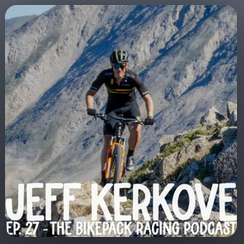
Jeff Kerkove was a recent guest on the Bikepack Racing Podcast.
Monday of this week I saw Jeff Kerkove linked to a podcast he was a guest on called the "Bikepack Racing Podcast". He was a guest on that podcast for a recently released episode. (You can access the Spotify link to the show HERE

My interest was piqued when I read Jeff's description of the show which stated, "Last week I sat down with Ezra and Andrew of the Bikepack Racing Podcast to talk Atlas Mountain Race, how Trans-Iowa got started, my journey thru cycling, the Colorado Trail Race attempts...and much more! "

Jeff was going to talk about Trans Iowa?!  I had to hear this! So, I settled into the show and anxiously awaited to hear what Jeff's recollections and thoughts about the event he and I started up were. You see, we don't talk much and the times when I did see him we just never felt that the Trans Iowa story was worth discussing. I mean, we were both there at the start of it all, so why talk about it? That's not odd, in my opinion. 

But now many years have passed and Jeff, for the most part, hasn't spoken publicly, that I am aware of, about Trans Iowa and his viewpoint of how things got started. There was really no need for him to talk about it. But with this whole gravel thing blown up to epic proportions now, I suppose those who are younger, who never knew those days of cycling, are wondering what the story was with Jeff. His whole story, and that includes 'gravel'. 

I'm not going to give it away here, you'll have to listen in to the first 16 minutes or so to get the T.I. stuff, but I enjoyed Jeff's viewpoint very much. It's obvious to me that he never really thought that Trans Iowa would start this gravel grinding thing nor that it would become so important because he seemed to have a vagueness on some dates and details, but I get it. Trans Iowa wasn't a big deal for him, as he had bigger fish to fry in terms of endurance racing, bikepacking, and getting himself to his goal of living in Colorado. Still, his take on things is really interesting. I learned a few things and Jeff's viewpoint is important to story of the Modern Gravel Era because Jeff gives a great view of where Trans Iowa came from, how the gravel scene got started, and who were the main players in it, which really informed how gravel events were done early on. 

I also enjoyed the podcasts host's view of Jeff, which I readily agree with, and which I have spoken to here and elsewhere before. But to hear the hosts "fanboy" on Jeff was fun for me. Jeff really deserves it, despite his obvious humility around that. 

Anyway, for the Trans Iowa nerds and endurance racing freaks, you should listen to this podcast. It's worth your time.

Another Viewpoint: Jeff's Side Of The Story

Jeff Kerkove was a recent guest on the Bikepack Racing Podcast.
Monday of this week I saw Jeff Kerkove linked to a podcast he was a guest on called the "Bikepack Racing Podcast". He was a guest on that podcast for a recently released episode. (You can access the Spotify link to the show HERE

My interest was piqued when I read Jeff's description of the show which stated, "Last week I sat down with Ezra and Andrew of the Bikepack Racing Podcast to talk Atlas Mountain Race, how Trans-Iowa got started, my journey thru cycling, the Colorado Trail Race attempts...and much more! "

Jeff was going to talk about Trans Iowa?!  I had to hear this! So, I settled into the show and anxiously awaited to hear what Jeff's recollections and thoughts about the event he and I started up were. You see, we don't talk much and the times when I did see him we just never felt that the Trans Iowa story was worth discussing. I mean, we were both there at the start of it all, so why talk about it? That's not odd, in my opinion. 

But now many years have passed and Jeff, for the most part, hasn't spoken publicly, that I am aware of, about Trans Iowa and his viewpoint of how things got started. There was really no need for him to talk about it. But with this whole gravel thing blown up to epic proportions now, I suppose those who are younger, who never knew those days of cycling, are wondering what the story was with Jeff. His whole story, and that includes 'gravel'. 

I'm not going to give it away here, you'll have to listen in to the first 16 minutes or so to get the T.I. stuff, but I enjoyed Jeff's viewpoint very much. It's obvious to me that he never really thought that Trans Iowa would start this gravel grinding thing nor that it would become so important because he seemed to have a vagueness on some dates and details, but I get it. Trans Iowa wasn't a big deal for him, as he had bigger fish to fry in terms of endurance racing, bikepacking, and getting himself to his goal of living in Colorado. Still, his take on things is really interesting. I learned a few things and Jeff's viewpoint is important to story of the Modern Gravel Era because Jeff gives a great view of where Trans Iowa came from, how the gravel scene got started, and who were the main players in it, which really informed how gravel events were done early on. 

I also enjoyed the podcasts host's view of Jeff, which I readily agree with, and which I have spoken to here and elsewhere before. But to hear the hosts "fanboy" on Jeff was fun for me. Jeff really deserves it, despite his obvious humility around that. 

Anyway, for the Trans Iowa nerds and endurance racing freaks, you should listen to this podcast. It's worth your time.

Wednesday, February 03, 2021

Make It A Challenge- Keep It Fun

A magazine ad from the late '90's featuring John Stamstad
 The latest recording of the "Riding Gravel Radio Ranch" just occurred yesterday and our guest was someone who may not be a familiar name to you. However; his achievements in cycling had reached a point that by the late 90's he had awareness culturally beyond cycling. Before Armstrong, before Tour Divide, or "World Premier Gravel' anything there was John Stamstad

I had read all about his exploits in mountain biking by way of "Dirt Rag" and other publications that covered mountain biking. He was the guy who showed the world that one guy could indeed ride a solo 24 hour long MTB event. He not only proved that could be done, but once a solo 24 category was added to many 24 hour MTB events, he went out and won many of them. John actually still holds the longest distance record for a 24 hour period for MTB off road. 

I was in awe of his accomplishments, of course, and when he set off to do a solo ride down the spine of the Rocky Mountains in 1999, it was if we were witnessing someone sailing off into outer space for the first time. Solo? What if something happens? Something bad? What about mechanicals? How would he find his way in the dark? Would he sleep at all? How do you eat? There were so many unanswered questions. 

So, you can imagine that I was curious to find out what magic John had that allowed him the confidence to set sail into an unknown like he did, and come out 18 days and five hours later, with a record that stood for a few years or more. Well, as it turns out, he didn't know what would happen either. 

That says something about not only John, but about anyone else that takes on a challenge in terms of Life, or cycling in specific. Like Trans Iowa, for instance, or any longer gravel event. The "Do You Have What It Takes?" type of challenge that anyone can try to answer for themselves. That's attractive. That seems like something that is maybe strangely compelling to many of us. 

Then there has to be a benefit, a side attraction to get us to be willing to toe the line. Social activities, even those involving a challenge, can be that benefit. Seeing and experiencing terrain, culture, and even weather can be those benefits. Riding our bicycles all day, (and maybe all night and the next day too), can be that benefit. It cannot be so difficult that there is only pain and suffering. Sure, you'll have some of that......

John told us all about how these sorts of ideas slotted into making him keep moving forward. It was a fascinating and educational conversation, and I cannot wait to share the link with you all so you can hear it for yourself.

Make It A Challenge- Keep It Fun

A magazine ad from the late '90's featuring John Stamstad
 The latest recording of the "Riding Gravel Radio Ranch" just occurred yesterday and our guest was someone who may not be a familiar name to you. However; his achievements in cycling had reached a point that by the late 90's he had awareness culturally beyond cycling. Before Armstrong, before Tour Divide, or "World Premier Gravel' anything there was John Stamstad

I had read all about his exploits in mountain biking by way of "Dirt Rag" and other publications that covered mountain biking. He was the guy who showed the world that one guy could indeed ride a solo 24 hour long MTB event. He not only proved that could be done, but once a solo 24 category was added to many 24 hour MTB events, he went out and won many of them. John actually still holds the longest distance record for a 24 hour period for MTB off road. 

I was in awe of his accomplishments, of course, and when he set off to do a solo ride down the spine of the Rocky Mountains in 1999, it was if we were witnessing someone sailing off into outer space for the first time. Solo? What if something happens? Something bad? What about mechanicals? How would he find his way in the dark? Would he sleep at all? How do you eat? There were so many unanswered questions. 

So, you can imagine that I was curious to find out what magic John had that allowed him the confidence to set sail into an unknown like he did, and come out 18 days and five hours later, with a record that stood for a few years or more. Well, as it turns out, he didn't know what would happen either. 

That says something about not only John, but about anyone else that takes on a challenge in terms of Life, or cycling in specific. Like Trans Iowa, for instance, or any longer gravel event. The "Do You Have What It Takes?" type of challenge that anyone can try to answer for themselves. That's attractive. That seems like something that is maybe strangely compelling to many of us. 

Then there has to be a benefit, a side attraction to get us to be willing to toe the line. Social activities, even those involving a challenge, can be that benefit. Seeing and experiencing terrain, culture, and even weather can be those benefits. Riding our bicycles all day, (and maybe all night and the next day too), can be that benefit. It cannot be so difficult that there is only pain and suffering. Sure, you'll have some of that......

John told us all about how these sorts of ideas slotted into making him keep moving forward. It was a fascinating and educational conversation, and I cannot wait to share the link with you all so you can hear it for yourself.

Saturday, February 03, 2018

Minus Ten Review- 5

The night I finished it it was too cold to take it outside for its debut image.
Ten years ago on the blog I was talking about a few things. One was how it feels to drop out of a longer event. Back then this was a new phenomenon to me. I had dropped out at the halfway point of the first DK200 due to a dizzy spell. I had also watched as Trans Iowa riders dealt with the aftermath of their decision to "pull the plug" on their attempt.

Of course, this is a big topic. I could ruminate upon it for a few posts, most likely, but it also must be balanced with knowing when to pull the plug. I feel this balance- wanting to push on, knowing when not to, and dealing with the decision afterward is one of the most fascinating things about ultra-distance, endurance, and (probably)  any tougher challenge one engages in. I've been in that place plenty throughout my riding in gravel events. I have a pretty long list of DNF's and not many finishes. But I keep on trying.....

That aside, I also was yakking about something which, since a decade ago, I haven't seen anyone talk about here since. It has to do with why folks don't commute by bicycle here. While I don't think this is the only reason people don't commute by bicycle, I do think it is an unspoken aspect of commuting that isn't often, if ever, addressed anymore. Here's the quote from back then:

"A couple of years ago, I talked to the German owner of an American bike company who mentioned that one of the reasons he sees why Americans don’t ride to work is they are afraid of sweating and getting dirty. American culture has deemed it that thou shalt not stink and that you shalt have a sweet perfumey aire about them. There’s nothing wrong with a little human smell. "

Then I had just gotten a bicycle built as well. The 2007 project that finally was put together about six months later, the custom Badger drop bar hard tail. In fact, the image of that bike shared again here today was the only image on the blog all week ten years ago! 

Minus Ten Review- 5

The night I finished it it was too cold to take it outside for its debut image.
Ten years ago on the blog I was talking about a few things. One was how it feels to drop out of a longer event. Back then this was a new phenomenon to me. I had dropped out at the halfway point of the first DK200 due to a dizzy spell. I had also watched as Trans Iowa riders dealt with the aftermath of their decision to "pull the plug" on their attempt.

Of course, this is a big topic. I could ruminate upon it for a few posts, most likely, but it also must be balanced with knowing when to pull the plug. I feel this balance- wanting to push on, knowing when not to, and dealing with the decision afterward is one of the most fascinating things about ultra-distance, endurance, and (probably)  any tougher challenge one engages in. I've been in that place plenty throughout my riding in gravel events. I have a pretty long list of DNF's and not many finishes. But I keep on trying.....

That aside, I also was yakking about something which, since a decade ago, I haven't seen anyone talk about here since. It has to do with why folks don't commute by bicycle here. While I don't think this is the only reason people don't commute by bicycle, I do think it is an unspoken aspect of commuting that isn't often, if ever, addressed anymore. Here's the quote from back then:

"A couple of years ago, I talked to the German owner of an American bike company who mentioned that one of the reasons he sees why Americans don’t ride to work is they are afraid of sweating and getting dirty. American culture has deemed it that thou shalt not stink and that you shalt have a sweet perfumey aire about them. There’s nothing wrong with a little human smell. "

Then I had just gotten a bicycle built as well. The 2007 project that finally was put together about six months later, the custom Badger drop bar hard tail. In fact, the image of that bike shared again here today was the only image on the blog all week ten years ago! 

Saturday, February 20, 2016

Minus Ten Review- 7

Ten years ago this week on the blog I ran a series on endurance racing, which was a big deal to me then because of my then co-worker, Jeff Kerkove and our involvement with the newly minted Trans Iowa, which, as I have said on numerous occasions, was patterned partially after 24 hour solo endurance mountain bike events. I called the series "The Future Of Endurance Racing", and at that time, I never dreamed that the format would be as small as it is today. That said, in the series, I and others explored what we thought of the 24 hour racing scene then which I find has a lot of parallels to the gravel racing scene of today. In particular, the marketing and potential profiteering from the genre. Check out the following, written this week ten years ago.....

Could it be that many of you are remembering what happened in XC racing? Perhaps many of you just cannot believe that something so cool could last without somebody screwing it all up? I don't know for sure what exactly prompts this sort of reaction. I can say this; if there is money to be made, then the focus will come off of the ride and the riders, and it will instead be on the product. In other words, marketers will get a hold of this sport, legitimize it in the minds of the elite by imposing a governing body on it, and then tweak it so as to attract as many folks as possible to spend their money on it.
And this.....

 At least some of you out there have also commented that the smaller, grassroots events.....are events that you expect will survive. Well, as a promoter myself, I can say that it won't last because of the money! Most of these events are fueled by pure passion for the experience. Once that burns itself out, and inevitably it will, either some other passionate folks must pick up the batons, or these events will fade into history. Perhaps they will be replaced by other, more exciting, challenging, and nutty events, I don't know! All I can say is that I don't mean to sound like an alarmist, just a realist.
So, the first quoted paragraph is what many fear what will, and maybe is happening, to gravel racing. Maybe we are half way there, with only the "governing body" part missing at this stage of the game. Well, there are rumblings that the USA Cycling organization is trying to reach out to gravel event promoters and trying to get their foot in the door to sell insurance to these promoters. USA Cycling has also been reported to have had a dramatic drop in income to the tune of one million dollars. It doesn't take too much to make the leap that USA Cycling sees gravel rides as a source of new income, or a recovery of lost income, depending upon your viewpoint.

The second quoted paragraph is something I have seen happen already with gravel events.  The races and rides come and go depending upon the endurance of those behind the scenes to put the rides and races on. The Almanzo 100 and its related events being maybe the most prominent of those and perhaps the only one to change leadership and retain its feel.......so far. Others have morphed from the grassroots, laid back atmosphere they began with to turn into massive, money making ventures that support livelihoods. While others have just grown beyond the capabilities of the founders to keep them free and have started morphing into more traditional looking events. The point is, just like I said ten years ago, passion takes you only so far, and many do not toe the line of their original visions for very long before they start seeing dollar signs. Maybe others find a way out of the event promoting/organizing game altogether.

Anyway, I found it interesting to see the similarities there.

Minus Ten Review- 7

Ten years ago this week on the blog I ran a series on endurance racing, which was a big deal to me then because of my then co-worker, Jeff Kerkove and our involvement with the newly minted Trans Iowa, which, as I have said on numerous occasions, was patterned partially after 24 hour solo endurance mountain bike events. I called the series "The Future Of Endurance Racing", and at that time, I never dreamed that the format would be as small as it is today. That said, in the series, I and others explored what we thought of the 24 hour racing scene then which I find has a lot of parallels to the gravel racing scene of today. In particular, the marketing and potential profiteering from the genre. Check out the following, written this week ten years ago.....

Could it be that many of you are remembering what happened in XC racing? Perhaps many of you just cannot believe that something so cool could last without somebody screwing it all up? I don't know for sure what exactly prompts this sort of reaction. I can say this; if there is money to be made, then the focus will come off of the ride and the riders, and it will instead be on the product. In other words, marketers will get a hold of this sport, legitimize it in the minds of the elite by imposing a governing body on it, and then tweak it so as to attract as many folks as possible to spend their money on it.
And this.....

 At least some of you out there have also commented that the smaller, grassroots events.....are events that you expect will survive. Well, as a promoter myself, I can say that it won't last because of the money! Most of these events are fueled by pure passion for the experience. Once that burns itself out, and inevitably it will, either some other passionate folks must pick up the batons, or these events will fade into history. Perhaps they will be replaced by other, more exciting, challenging, and nutty events, I don't know! All I can say is that I don't mean to sound like an alarmist, just a realist.
So, the first quoted paragraph is what many fear what will, and maybe is happening, to gravel racing. Maybe we are half way there, with only the "governing body" part missing at this stage of the game. Well, there are rumblings that the USA Cycling organization is trying to reach out to gravel event promoters and trying to get their foot in the door to sell insurance to these promoters. USA Cycling has also been reported to have had a dramatic drop in income to the tune of one million dollars. It doesn't take too much to make the leap that USA Cycling sees gravel rides as a source of new income, or a recovery of lost income, depending upon your viewpoint.

The second quoted paragraph is something I have seen happen already with gravel events.  The races and rides come and go depending upon the endurance of those behind the scenes to put the rides and races on. The Almanzo 100 and its related events being maybe the most prominent of those and perhaps the only one to change leadership and retain its feel.......so far. Others have morphed from the grassroots, laid back atmosphere they began with to turn into massive, money making ventures that support livelihoods. While others have just grown beyond the capabilities of the founders to keep them free and have started morphing into more traditional looking events. The point is, just like I said ten years ago, passion takes you only so far, and many do not toe the line of their original visions for very long before they start seeing dollar signs. Maybe others find a way out of the event promoting/organizing game altogether.

Anyway, I found it interesting to see the similarities there.

Friday, October 17, 2014

Friday News And Views

Image by Wally Kilburg
I was cruising through the archives here and checking out the scene as it was almost ten years ago. First of all......dang! Things have really changed! The whole reason for the nostalgia trip was instigated by a comment I saw posted on one of the social media sites by a fellow that used to go by the name of "Endurosnob". Ironically enough, he was posting about a race he did in 2007. It was a 24 hour race, and he made a comment about endurance 24 hour racing in the following way: "...back when it was a thing."

You know what? That struck me in an odd way. It was a thing, wasn't it? I mean, back in '05, Jeff Kerkove, who worked with me, was going to Japan to ride in a 24 hour event, was winning the 24hrs of Boone, and was banned from 24 hour worlds for saying the fees for solo riders was too high. The whole scene was percolating and was very fresh then. But now......

You just don't hear a whole lot about 24 hour solo racing anymore. Not here in the U.S., at any rate. Of course, it still happens, and there are 24 hour worlds, but the buzz, the popularity of it all. Well, it just isn't a thing anymore, to paraphrase the earlier quip. It makes me wonder about gravel/back road events. In ten years, will we even be thinking about those sorts of events? Will there be thousands of riders at Dirty Kanza anymore? Will Barry-Roubaix be a memory?

Things change, for sure, but I think the 24 hour racing scene changed, and ultimately faded here, due to the bloated, overproduced, expensive beast it became. The events were so convoluted and difficult to put on that they were run by production companies. The "show" became the event format's undoing, in my opinion. If gravel/backroad events go this same route, I wouldn't be at all surprised to see that the same thing that happened to gravel rides.

2015 Salsa Titanium Mukluk
Carbon or Metal?

You know, another subject that is a thing now is carbon fiber fat bike frames. Well, let's be honest- anything that they can make in carbon fiber for bicycles is a thing now. Right?

I like carbon fiber bits, and I own and use a few components made from it. However; I am a bit torn as to whether this is a good idea for a fat bike. I did get to test a Borealis Echo, (with 29+ wheels), and it was really one of the best mountain bikes I have ridden. I don't doubt that as a fat bike it would also rule. However; I just am a bit leery of its durability. I mean, I could quite literally go much faster and traverse more rough terrain on that Echo, but what happens when gravity has its way with you? Hmm.......

Titanium and aluminum, well they can be dented and broken when they are made into bicycle frames. Definitely, but little crashes, or heck....even bigger crashes, well they seem to be a bit more resilient. And then there are times when you just wonder: When is that spindly, thin seat stay just going to snap? Maybe I am just paranoid, eh?

Geezer Ride:

Tomorrow the Geezer Ride happens. I hear that there are a few folks coming, and even a couple on fat bikes. The weather, while cool, looks to be completely dry and the roads should be perfect.

I do not know exactly how many folks will actually show up, but it should prove to be a fun ride and I hope all who do come will enjoy themselves going up, down, and over some (hopefully) beautiful Fall roads in Iowa.

Of course, you can expect a full report later, but until then, you should all get out there and find your own adventure on whatever bicycle you choose. Have some fun, stay safe, and look for the story of the Geezer Ride on Monday.......

Friday News And Views

Image by Wally Kilburg
I was cruising through the archives here and checking out the scene as it was almost ten years ago. First of all......dang! Things have really changed! The whole reason for the nostalgia trip was instigated by a comment I saw posted on one of the social media sites by a fellow that used to go by the name of "Endurosnob". Ironically enough, he was posting about a race he did in 2007. It was a 24 hour race, and he made a comment about endurance 24 hour racing in the following way: "...back when it was a thing."

You know what? That struck me in an odd way. It was a thing, wasn't it? I mean, back in '05, Jeff Kerkove, who worked with me, was going to Japan to ride in a 24 hour event, was winning the 24hrs of Boone, and was banned from 24 hour worlds for saying the fees for solo riders was too high. The whole scene was percolating and was very fresh then. But now......

You just don't hear a whole lot about 24 hour solo racing anymore. Not here in the U.S., at any rate. Of course, it still happens, and there are 24 hour worlds, but the buzz, the popularity of it all. Well, it just isn't a thing anymore, to paraphrase the earlier quip. It makes me wonder about gravel/back road events. In ten years, will we even be thinking about those sorts of events? Will there be thousands of riders at Dirty Kanza anymore? Will Barry-Roubaix be a memory?

Things change, for sure, but I think the 24 hour racing scene changed, and ultimately faded here, due to the bloated, overproduced, expensive beast it became. The events were so convoluted and difficult to put on that they were run by production companies. The "show" became the event format's undoing, in my opinion. If gravel/backroad events go this same route, I wouldn't be at all surprised to see that the same thing that happened to gravel rides.

2015 Salsa Titanium Mukluk
Carbon or Metal?

You know, another subject that is a thing now is carbon fiber fat bike frames. Well, let's be honest- anything that they can make in carbon fiber for bicycles is a thing now. Right?

I like carbon fiber bits, and I own and use a few components made from it. However; I am a bit torn as to whether this is a good idea for a fat bike. I did get to test a Borealis Echo, (with 29+ wheels), and it was really one of the best mountain bikes I have ridden. I don't doubt that as a fat bike it would also rule. However; I just am a bit leery of its durability. I mean, I could quite literally go much faster and traverse more rough terrain on that Echo, but what happens when gravity has its way with you? Hmm.......

Titanium and aluminum, well they can be dented and broken when they are made into bicycle frames. Definitely, but little crashes, or heck....even bigger crashes, well they seem to be a bit more resilient. And then there are times when you just wonder: When is that spindly, thin seat stay just going to snap? Maybe I am just paranoid, eh?

Geezer Ride:

Tomorrow the Geezer Ride happens. I hear that there are a few folks coming, and even a couple on fat bikes. The weather, while cool, looks to be completely dry and the roads should be perfect.

I do not know exactly how many folks will actually show up, but it should prove to be a fun ride and I hope all who do come will enjoy themselves going up, down, and over some (hopefully) beautiful Fall roads in Iowa.

Of course, you can expect a full report later, but until then, you should all get out there and find your own adventure on whatever bicycle you choose. Have some fun, stay safe, and look for the story of the Geezer Ride on Monday.......

Tuesday, August 14, 2012

Going Round In Circles

Formerly known as Mr. 24, aka Banned From World's, aka Jeff Kerkove
It was 2006, and I had not been blogging very long, when I last pontificated on 24 hour racing's "World's", as they were known. Back in those days I worked with a fella by the name of Jeff Kerkove, who went by the Moniker "Mr. 24", because he lived and breathed the 24 hour racing scene.  Through Jeff I got interested in the 24hr, endurance junkie racing thing, and of course, hooked on the train that would become Trans Iowa. Jeff was profoundly influential on my views of endurance racing, not only from a training point of view, but really from an organizational and philosophical viewpoint as well. I know I am not alone in that respect.

24 hour racing was a "big deal" back then. Gravel road racing was about as well known as Jimmy Hoffa's grave site, and "ultra-endurance" stuff like the Great Divide Race was almost unfathomable by most folks. XC mountain bike racing was still around, but not what it used to be. That was the scene back then.

Well, something happened to Jeff back in 2005, a year before I last spoke of the "World's" here on this blog. That event, I think in retrospect, was a watershed moment for the both of us. It wouldn't be long before neither one of us had much to do with 24hr races, and the subject went off my radar, (and off a lot of folks radar screens), until just yesterday when I saw the a link to this posting on Facebook.

So, what do I think of that? Karma? Justice served? No......nothing like that at all. I was shocked, and actually, a bit sad for those who were busting their butts to do this event. I know what it meant to Jeff back in the day, and I saw first hand how hard he worked to get there and have a good result, if possible. I saw him handle the situation with grace and aplomb when the carpet got jerked out from underneath him. He moved on to better things.......

No, I think it might serve as a signpost that the 24hr racing genre, which is not dead by any stretch , has maybe waned like XC racing did. Maybe the grassroots racing scene, like the gravel racing events, has taken a bite out of the base of participants for 24hr racing. I don't know for sure, but it seems that way to me.

Going Round In Circles

Formerly known as Mr. 24, aka Banned From World's, aka Jeff Kerkove
It was 2006, and I had not been blogging very long, when I last pontificated on 24 hour racing's "World's", as they were known. Back in those days I worked with a fella by the name of Jeff Kerkove, who went by the Moniker "Mr. 24", because he lived and breathed the 24 hour racing scene.  Through Jeff I got interested in the 24hr, endurance junkie racing thing, and of course, hooked on the train that would become Trans Iowa. Jeff was profoundly influential on my views of endurance racing, not only from a training point of view, but really from an organizational and philosophical viewpoint as well. I know I am not alone in that respect.

24 hour racing was a "big deal" back then. Gravel road racing was about as well known as Jimmy Hoffa's grave site, and "ultra-endurance" stuff like the Great Divide Race was almost unfathomable by most folks. XC mountain bike racing was still around, but not what it used to be. That was the scene back then.

Well, something happened to Jeff back in 2005, a year before I last spoke of the "World's" here on this blog. That event, I think in retrospect, was a watershed moment for the both of us. It wouldn't be long before neither one of us had much to do with 24hr races, and the subject went off my radar, (and off a lot of folks radar screens), until just yesterday when I saw the a link to this posting on Facebook.

So, what do I think of that? Karma? Justice served? No......nothing like that at all. I was shocked, and actually, a bit sad for those who were busting their butts to do this event. I know what it meant to Jeff back in the day, and I saw first hand how hard he worked to get there and have a good result, if possible. I saw him handle the situation with grace and aplomb when the carpet got jerked out from underneath him. He moved on to better things.......

No, I think it might serve as a signpost that the 24hr racing genre, which is not dead by any stretch , has maybe waned like XC racing did. Maybe the grassroots racing scene, like the gravel racing events, has taken a bite out of the base of participants for 24hr racing. I don't know for sure, but it seems that way to me.

Tuesday, November 29, 2011

My Take On "11 Lessons"

I recently came across a series of posts on endurance racer and Trans Iowa Finisher/veteran Charlie Farrow's blog that lists "11 Lessons" from endurance racing by endurance racers. (You can go here, here, here, and here. for all the posts.)

Consider The Source!
Now you should read all those links. I did and there is a lot of Wisdom there. You might ask, what else could one possibly add to that pile-o-gems? Well, probably not a whole lot. That said, I've been around this gravel ultra-endurance and long distance racing scene on both sides of the fence- As an organizer/director and a participant. I feel compelled to underscore a few points I read in those excellent links and maybe add a point or two of my own.

The rules set out by Charlie were simple: List a point briefly, then add in an explanation for it.

So, with no further adieu, here in no particular order are my "11 Lessons" for your perusal.

  1. Know Your Equipment: As a mechanic, it sometimes amazes me that guys are futzing with things or getting knocked out by simple mechanicals right outta the gate at events I've been to. It goes without saying that you need to dial in your fitness, but you also need to dial in a good, basic knowledge of your rig and how to adjust it, repair it, and maintain it. It may save you an event, and it will satisfy your need to know you can trust your steed. Definitely spend some quality time getting to know your bicycle!
  2. Know What Equipment Works For You Ahead Of Time: This was one of my earliest lessons in long distance riding. You can go to forums and ask, you can go to your bike shop and ask, and you can ask your buddies, but you need to do due diligence when it comes to finding the right saddle, grips, pedals, clothing, not to mention training, and nutrition. Definitely ask, and listen, but you'll eventually have to put in a lot of training/experimental hours/miles in to find out what works, and what doesn't. There is no "easy button".
  3. Make A List, Check It Twice: I once ran into a fella that was a self-supported road touring machine. This guy had done thousands upon thousands of miles of touring, and when he found out I was going on a long trip by bike, he suggested I look at his list. He made a list of everything that went in each bag, and checked it off twice before leaving on tour. Sound overly-anal? Well, try it. You won't forget anything, and you will also have the opportunity to make a visual check on the amount of crap you are packing. (Hint: You may want to leave some of it behind!) How can you logically add or subtract from your kit without careful analysis? The list helps.
  4. Aretha Said It: RESPECT: Like the others have said, if you are not a bit nervous, fearful, or anxious, you may be setting yourself up for a fail, and you definitely aren't up for a true challenge. Challenges should be a bit scary, really. Then there is the respect you should have for the fellow competitors, the respect you should have for the venue, and the respect you should have for the volunteers and event leaders. Respect!
  5. Only The Lonely Can Play: While some of the most rewarding times at these events is the sharing during the suffering with fellow competitors, you should be prepared to be alone. Very alone. The ebbs and flows of long events sometimes will leave you out there by yourself, with no one at all in sight. I think this hits folks hardest that train all the time with others, but either way, its gonna happen. Don't let it sink you. I would advise that this is a gift that allows you to get to places within yourself that you otherwise would never get to. It is a gift that can't be found in our crazy, fast paced culture. Embrace the loneliness and find peace in it.
  6. You Can Choose Your Attitude: This can be a part of #5 above, but it goes beyond that. Sometimes situations arise that are negative, not of your choosing, and uncomfortable. I was in a night time gravel grinder where it was raining so hard I couldn't see five feet in front of me. It was pitch black, I was wet, and it was sketchy as all get out. At first, I was annoyed, but then I chose to marvel at the situation, and I actually laughed out loud. I could have pitched a fit and decided to quit. It was my choice. The rain wasn't my choice. I changed what I could change- my attitude.
  7. Break It Down: Others mentioned this as well, but it bears repeating. Look at the event before going into it as a series of challenges. Make little things that are achievable that when they are accomplished make you gain confidence. Got to Checkpoint #1! Woot! Now what is next? Do the next little thing, and add it to the list of accomplishments. I remember one time on a long ride I looked at my computer and thought I'd like to see it read in the 40's for mileage. Okay, when I got there, I decided that I could get it into the 50's, and so forth. It can be anything, but breaking an event down into bite sized chunks is a good strategy. What was that old saw about eating an elephant again? 
  8. Have A Plan: Work The Plan: Be Free To Change The Plan!: I think having a strategy going into an event is a good thing. That could be who you want to ride with, how you want to break the event down, (see #7), or what your nutrition plan is. Of course, having a plan doesn't do you a lick of good unless you can implement it. Practice "the plan" on a training ride or three to see if it needs tweaking- or not. (See #2) Finally, don't be afraid to adjust the plan during the event to allow for circumstances beyond your control, or to take advantage of opportunities. (See #6) Holding doggedly onto a plan that no longer will work due to changes in body functions, mechanical issues, weather, or what have you isn't going to lead to success. Be free to change when it makes sense to change. 
  9. The "One Hour Rule": I saw this pop up in a few of the others lists. I agree- Give yourself an hour to calm down, assess, rest, and adjust your plan, (see #8), before you decide to pull the plug. You still may end up doing just that, but at least you can rest assured you gave it the proper amount of time to make a decision. I came to this place at the DK 200 a year ago. I came into Checkpoint #1 dehydrated, weak, and dizzy. I ate some food, drank a lot of water, and rested for an hour. I didn't feel one whit better after an hour, so I pulled the plug. Maybe I would have come around though and been able to continue. I wouldn't have known had I stopped right when I arrived at the Checkpoint though.
  10. Consider An Exit Strategy: In these ultra long, self supported events, being able to extricate yourself from the course safely without issue is a good plan to have. That may include having a person available to come pick you up. It may mean that you have to be ready and willing to ride yourself out to civilization. This not only makes you responsible for you, as it should be,  but it takes a load off other competitors, and the folks running the event. Like the commercial says: "Know When To Say When", but also be able to take care of your own business if you do say "when". I don't think this is a negative or defeatist attitude, I think it is just being courteous and thoughtful towards the ones you love and love you, and your fellow racers and the directors of these fine events. (See #4)
  11. Be Thankful: Finally, I think this is the most important lesson. Be Thankful for your health, your opportunities, your folks that love you that allow for this weirdness, the fellow racers, the volunteers, the directors, the places you get to see, the experiences, and the successes and the failures. Express the thanks in practical ways and in ways that are sure to be appreciated by others. Look around you while you are in an event and be thankful you are doing what you came to do and prepared to do.
So, there ya go. That's my list. I hope you enjoy that and get something useful out of it.

My Take On "11 Lessons"

I recently came across a series of posts on endurance racer and Trans Iowa Finisher/veteran Charlie Farrow's blog that lists "11 Lessons" from endurance racing by endurance racers. (You can go here, here, here, and here. for all the posts.)

Consider The Source!
Now you should read all those links. I did and there is a lot of Wisdom there. You might ask, what else could one possibly add to that pile-o-gems? Well, probably not a whole lot. That said, I've been around this gravel ultra-endurance and long distance racing scene on both sides of the fence- As an organizer/director and a participant. I feel compelled to underscore a few points I read in those excellent links and maybe add a point or two of my own.

The rules set out by Charlie were simple: List a point briefly, then add in an explanation for it.

So, with no further adieu, here in no particular order are my "11 Lessons" for your perusal.

  1. Know Your Equipment: As a mechanic, it sometimes amazes me that guys are futzing with things or getting knocked out by simple mechanicals right outta the gate at events I've been to. It goes without saying that you need to dial in your fitness, but you also need to dial in a good, basic knowledge of your rig and how to adjust it, repair it, and maintain it. It may save you an event, and it will satisfy your need to know you can trust your steed. Definitely spend some quality time getting to know your bicycle!
  2. Know What Equipment Works For You Ahead Of Time: This was one of my earliest lessons in long distance riding. You can go to forums and ask, you can go to your bike shop and ask, and you can ask your buddies, but you need to do due diligence when it comes to finding the right saddle, grips, pedals, clothing, not to mention training, and nutrition. Definitely ask, and listen, but you'll eventually have to put in a lot of training/experimental hours/miles in to find out what works, and what doesn't. There is no "easy button".
  3. Make A List, Check It Twice: I once ran into a fella that was a self-supported road touring machine. This guy had done thousands upon thousands of miles of touring, and when he found out I was going on a long trip by bike, he suggested I look at his list. He made a list of everything that went in each bag, and checked it off twice before leaving on tour. Sound overly-anal? Well, try it. You won't forget anything, and you will also have the opportunity to make a visual check on the amount of crap you are packing. (Hint: You may want to leave some of it behind!) How can you logically add or subtract from your kit without careful analysis? The list helps.
  4. Aretha Said It: RESPECT: Like the others have said, if you are not a bit nervous, fearful, or anxious, you may be setting yourself up for a fail, and you definitely aren't up for a true challenge. Challenges should be a bit scary, really. Then there is the respect you should have for the fellow competitors, the respect you should have for the venue, and the respect you should have for the volunteers and event leaders. Respect!
  5. Only The Lonely Can Play: While some of the most rewarding times at these events is the sharing during the suffering with fellow competitors, you should be prepared to be alone. Very alone. The ebbs and flows of long events sometimes will leave you out there by yourself, with no one at all in sight. I think this hits folks hardest that train all the time with others, but either way, its gonna happen. Don't let it sink you. I would advise that this is a gift that allows you to get to places within yourself that you otherwise would never get to. It is a gift that can't be found in our crazy, fast paced culture. Embrace the loneliness and find peace in it.
  6. You Can Choose Your Attitude: This can be a part of #5 above, but it goes beyond that. Sometimes situations arise that are negative, not of your choosing, and uncomfortable. I was in a night time gravel grinder where it was raining so hard I couldn't see five feet in front of me. It was pitch black, I was wet, and it was sketchy as all get out. At first, I was annoyed, but then I chose to marvel at the situation, and I actually laughed out loud. I could have pitched a fit and decided to quit. It was my choice. The rain wasn't my choice. I changed what I could change- my attitude.
  7. Break It Down: Others mentioned this as well, but it bears repeating. Look at the event before going into it as a series of challenges. Make little things that are achievable that when they are accomplished make you gain confidence. Got to Checkpoint #1! Woot! Now what is next? Do the next little thing, and add it to the list of accomplishments. I remember one time on a long ride I looked at my computer and thought I'd like to see it read in the 40's for mileage. Okay, when I got there, I decided that I could get it into the 50's, and so forth. It can be anything, but breaking an event down into bite sized chunks is a good strategy. What was that old saw about eating an elephant again? 
  8. Have A Plan: Work The Plan: Be Free To Change The Plan!: I think having a strategy going into an event is a good thing. That could be who you want to ride with, how you want to break the event down, (see #7), or what your nutrition plan is. Of course, having a plan doesn't do you a lick of good unless you can implement it. Practice "the plan" on a training ride or three to see if it needs tweaking- or not. (See #2) Finally, don't be afraid to adjust the plan during the event to allow for circumstances beyond your control, or to take advantage of opportunities. (See #6) Holding doggedly onto a plan that no longer will work due to changes in body functions, mechanical issues, weather, or what have you isn't going to lead to success. Be free to change when it makes sense to change. 
  9. The "One Hour Rule": I saw this pop up in a few of the others lists. I agree- Give yourself an hour to calm down, assess, rest, and adjust your plan, (see #8), before you decide to pull the plug. You still may end up doing just that, but at least you can rest assured you gave it the proper amount of time to make a decision. I came to this place at the DK 200 a year ago. I came into Checkpoint #1 dehydrated, weak, and dizzy. I ate some food, drank a lot of water, and rested for an hour. I didn't feel one whit better after an hour, so I pulled the plug. Maybe I would have come around though and been able to continue. I wouldn't have known had I stopped right when I arrived at the Checkpoint though.
  10. Consider An Exit Strategy: In these ultra long, self supported events, being able to extricate yourself from the course safely without issue is a good plan to have. That may include having a person available to come pick you up. It may mean that you have to be ready and willing to ride yourself out to civilization. This not only makes you responsible for you, as it should be,  but it takes a load off other competitors, and the folks running the event. Like the commercial says: "Know When To Say When", but also be able to take care of your own business if you do say "when". I don't think this is a negative or defeatist attitude, I think it is just being courteous and thoughtful towards the ones you love and love you, and your fellow racers and the directors of these fine events. (See #4)
  11. Be Thankful: Finally, I think this is the most important lesson. Be Thankful for your health, your opportunities, your folks that love you that allow for this weirdness, the fellow racers, the volunteers, the directors, the places you get to see, the experiences, and the successes and the failures. Express the thanks in practical ways and in ways that are sure to be appreciated by others. Look around you while you are in an event and be thankful you are doing what you came to do and prepared to do.
So, there ya go. That's my list. I hope you enjoy that and get something useful out of it.

Friday, March 23, 2007

The Grassroots Revolution?

With Trans Iowa coming up in just a little more than a month, I thought I would share something that has been developing in regards to the event recently. It seems that this oddball gravel grinder has attracted some "outside" attention.

While the popularity of Trans Iowa with the long distance/endurance/adventure cyclists has been an eye opener for me, I never really expected that the event would reach outside of that sphere and gain the attention of a bigger (potentially) audience. However strange that may seem to me, it appears that it likely is happening.

I have been in contact with a gentleman who purports to have a legitimate contract to write a book dealing with the "grassroots, underground sports movement". He says that he became interested in writing such a tome after becoming disenfranchised with the "mega sports complex" that dominates most of the American sporting landscape these days. Apparently, he heard about Trans iowa from it's first and only, (so far) winner, Ira Ryan.

Ira was and is apparently very supportive of the event to the point that this fellow wants to come out and research the event for his future book. He plans on conducting interviews and tagging along for getting a feel for what this event is all about. Obviously, if he wants to know about a "grassroots/ under the radar" kind of event, I suppose Trans Iowa is as good an event to consider as any. Well,.........at least for now it is!

I'm not saying this whole thing with the book and anything else it could generate will ever happen, (I'm not going to count on anything happening in conjunction with this, let's just say that), but if it does, how "under the radar" is Trans Iowa at that point?

I guess what I'm getting at is, when does it cease being a cool, crazy, underground event and become something not so much that, but begins to have a more mainstream event kind of look and feel? Has it already become that? Hmmm........and more importantly, does it even matter? I suppose this years running will be a good way to guage that.

In the end, Jeff and I run the thing and put it on. It's up to us whether or not it is what it is.......for now. I suppose if it gets away from us for whatever reason, we can always shut it down. Are we part of a revolution? Ahh.....well, maybe. I think history, or maybe this upcoming book, will be the judge of that. All I know is, we want to ride our bikes for crazy long distances self supported, and we think you do to. As long as we have that basic understanding, then we have things like Trans Iowa. If that's a "revolution", then so be it.

I think it's just fun!

The Grassroots Revolution?

With Trans Iowa coming up in just a little more than a month, I thought I would share something that has been developing in regards to the event recently. It seems that this oddball gravel grinder has attracted some "outside" attention.

While the popularity of Trans Iowa with the long distance/endurance/adventure cyclists has been an eye opener for me, I never really expected that the event would reach outside of that sphere and gain the attention of a bigger (potentially) audience. However strange that may seem to me, it appears that it likely is happening.

I have been in contact with a gentleman who purports to have a legitimate contract to write a book dealing with the "grassroots, underground sports movement". He says that he became interested in writing such a tome after becoming disenfranchised with the "mega sports complex" that dominates most of the American sporting landscape these days. Apparently, he heard about Trans iowa from it's first and only, (so far) winner, Ira Ryan.

Ira was and is apparently very supportive of the event to the point that this fellow wants to come out and research the event for his future book. He plans on conducting interviews and tagging along for getting a feel for what this event is all about. Obviously, if he wants to know about a "grassroots/ under the radar" kind of event, I suppose Trans Iowa is as good an event to consider as any. Well,.........at least for now it is!

I'm not saying this whole thing with the book and anything else it could generate will ever happen, (I'm not going to count on anything happening in conjunction with this, let's just say that), but if it does, how "under the radar" is Trans Iowa at that point?

I guess what I'm getting at is, when does it cease being a cool, crazy, underground event and become something not so much that, but begins to have a more mainstream event kind of look and feel? Has it already become that? Hmmm........and more importantly, does it even matter? I suppose this years running will be a good way to guage that.

In the end, Jeff and I run the thing and put it on. It's up to us whether or not it is what it is.......for now. I suppose if it gets away from us for whatever reason, we can always shut it down. Are we part of a revolution? Ahh.....well, maybe. I think history, or maybe this upcoming book, will be the judge of that. All I know is, we want to ride our bikes for crazy long distances self supported, and we think you do to. As long as we have that basic understanding, then we have things like Trans Iowa. If that's a "revolution", then so be it.

I think it's just fun!